
7 Signs You Might Be Low in Magnesium
Common symptoms of low magnesium — and what actually helps.

- Roughly half of U.S. adults get less magnesium than they need.
- Symptoms are usually subtle: cramps, restless sleep, fatigue, anxious feelings, headaches, palpitations, or constipation.
- Refined diets, caffeine, alcohol, and stress all deplete magnesium.
- Food first (pumpkin seeds, spinach, almonds); supplement if needed.
- Glycinate is gentlest for sleep and stress; citrate helps with constipation.
Magnesium is a workhorse mineral — a cofactor in more than 300 enzymatic reactions covering muscle function, nervous-system regulation, energy production, and sleep. It's also one of the nutrients most Americans quietly fall short on: roughly half of U.S. adults consume less than the estimated average requirement [1].
7 signs your magnesium may be low
1. Muscle cramps, twitches, or restless legs
Magnesium helps muscles relax after contracting. When levels dip, muscles can misfire — showing up as calf cramps at night, eyelid twitches, or a restless, jumpy feeling in the legs when you're trying to fall asleep [2].
2. Trouble falling or staying asleep
Magnesium supports GABA activity and melatonin production — two systems your brain uses to wind down. Low intake is linked with lighter, more fragmented sleep, especially in older adults and people under chronic stress [3].
3. Persistent fatigue or low energy
Every cell that makes ATP — your body's energy currency — needs magnesium. Suboptimal magnesium can leave you feeling tired even after a full night's sleep, particularly if caffeine or alcohol are pushing more out through the kidneys.
4. Feeling wired, anxious, or on edge
Magnesium buffers the stress response and helps regulate cortisol. Low levels are associated with higher perceived stress and more anxious feelings, and stress itself burns through magnesium — a well-documented vicious cycle [4].
5. Headaches or migraines
People who experience migraines tend to have lower magnesium levels than those who don't. The American Headache Society lists magnesium as an evidence-based option for migraine prevention [5].
6. Heart palpitations or a fluttery feeling in the chest
Magnesium helps stabilize the electrical signals that control heart rhythm. Occasional palpitations — that quick flutter or skipped-beat sensation — can be a subtle low-magnesium sign. Persistent or worsening palpitations always warrant a conversation with your clinician.
7. Constipation
Magnesium draws water into the intestines and relaxes intestinal muscles. Low intake can slow things down; higher doses of certain forms (like citrate) are used specifically because they loosen stools.
Why so many people fall short
Modern diets skew heavily toward refined grains and processed foods, both of which are stripped of most of their magnesium. Add in caffeine, alcohol, and chronic stress — all of which increase magnesium losses — and it's easy to slide into a chronic low-grade shortfall without noticing.
- Refined grains lose most magnesium during processing.
- High caffeine and alcohol intake increase urinary magnesium loss.
- Chronic stress depletes magnesium stores.
- Certain medications (PPIs, diuretics) can lower magnesium over time.
What to do about it
Start with food. The most magnesium-rich foods are also some of the most nutrient-dense: pumpkin seeds, spinach, almonds, black beans, cashews, dark chocolate, and avocado. A daily handful of nuts plus a serving of leafy greens goes a surprisingly long way.
If symptoms persist or your diet is inconsistent, supplementation is a reasonable next step. Form matters more than most people realize.
| Form | Best for | Notes |
|---|---|---|
| Glycinate | Sleep, stress, sensitive stomachs | Well-absorbed, gentle on the gut |
| Citrate | Occasional constipation | Absorbs well; loosens stools at higher doses |
| Malate | Daytime energy | Often paired with fatigue support |
| Oxide | Cheap, low-dose top-ups | Poorly absorbed; more digestive side effects |
A quick note: persistent symptoms — especially palpitations, severe cramping, or ongoing fatigue — deserve a conversation with your clinician. This article is educational, not a substitute for medical advice.

FAQ
›How much magnesium do I need per day?
The RDA is about 400–420 mg/day for adult men and 310–320 mg/day for adult women, including food. Most supplements provide 200–400 mg of elemental magnesium on top of diet.
›What's the best form of magnesium?
For sleep and stress, glycinate is the most-recommended: well-absorbed and gentle. Citrate is a good choice if constipation is the main concern. Oxide is cheap but poorly absorbed.
›Can I get enough magnesium from food?
Yes, if your diet leans on leafy greens, nuts, seeds, legumes, and whole grains. If it's inconsistent — or you're under high stress — a modest supplement helps close the gap.
›How long until I feel a difference?
Most people notice subtle changes within 1–2 weeks. Clinical trials typically run 4–8 weeks. Give it at least a month before deciding it isn't working.
References
- [1]National Institutes of Health, Office of Dietary Supplements. "Magnesium Fact Sheet for Health Professionals." Source
- [2]de Baaij J.H., et al. "Magnesium in man: implications for health and disease." Physiol Rev. 2015. Source
- [3]Mah J., Pitre T. "Oral magnesium supplementation for insomnia in older adults: a Systematic Review & Meta-Analysis." BMC Complement Med Ther. 2021. Source
- [4]Pickering G., et al. "Magnesium Status and Stress: The Vicious Circle Concept Revisited." Nutrients. 2020. Source
- [5]American Migraine Foundation. "Magnesium." Source
Jordan writes about recovery, performance, and the science of feeling good. Former collegiate athlete, now obsessed with the small daily inputs that compound into long-term wellness.
Dr. Natarajan is a board-certified internist with a special interest in evidence-based supplementation and lifestyle medicine. She reviews Vitalytics content for medical accuracy.
Recommended for magnesium support
Third-party tested. No fillers. Cancel anytime.

Supports muscle relaxation and nighttime routines.
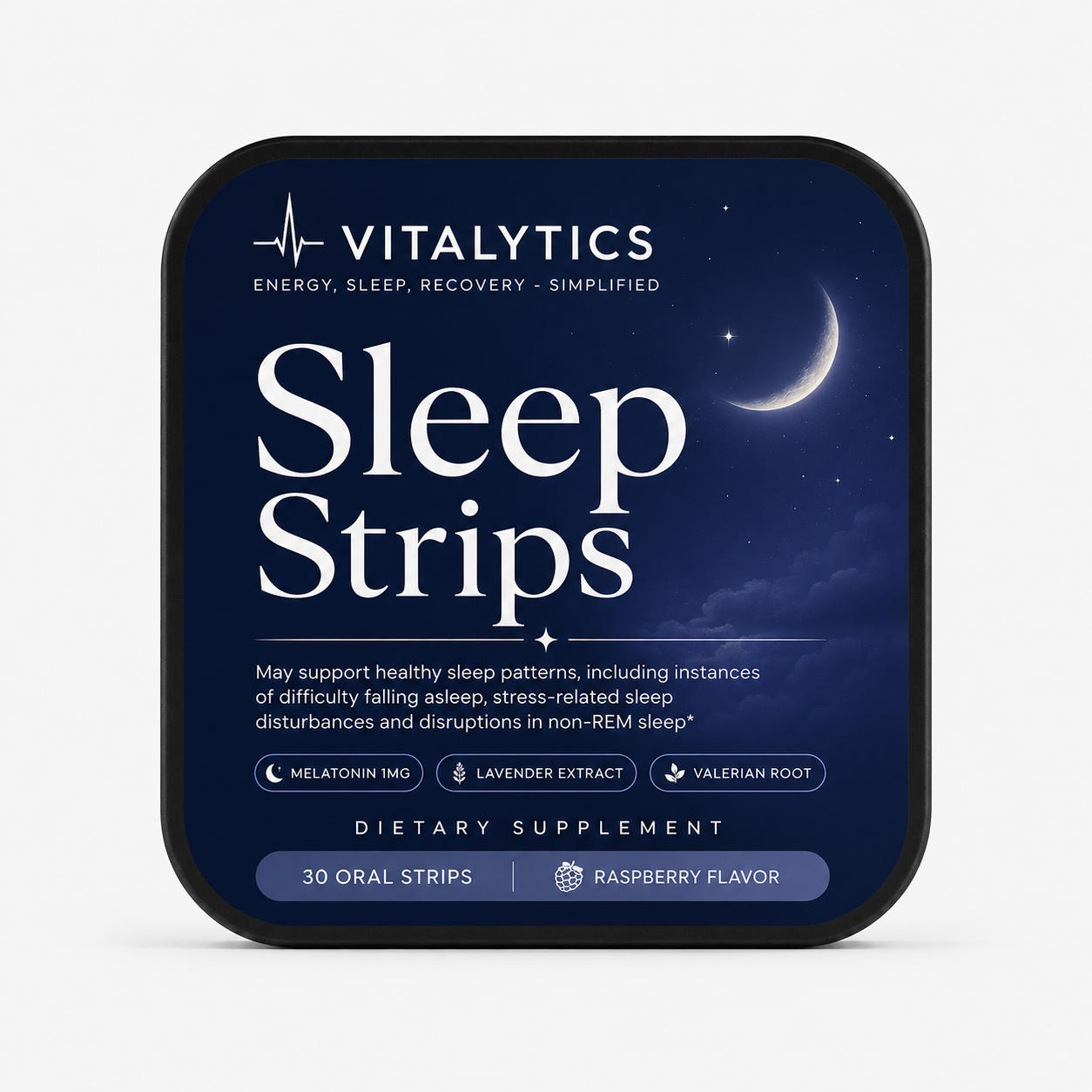
Supports your nighttime routine.
Editorial picks — not paid placements. Statements have not been evaluated by the FDA. This product is not intended to diagnose, treat, cure, or prevent any disease.
Read next


The 5-minute briefing
One short, source-backed email each Sunday on sleep, energy, recovery, and daily wellness.