
Zinc for Immune Function and Recovery
What zinc does, which forms absorb, and how to stay balanced with copper—without overdoing it.
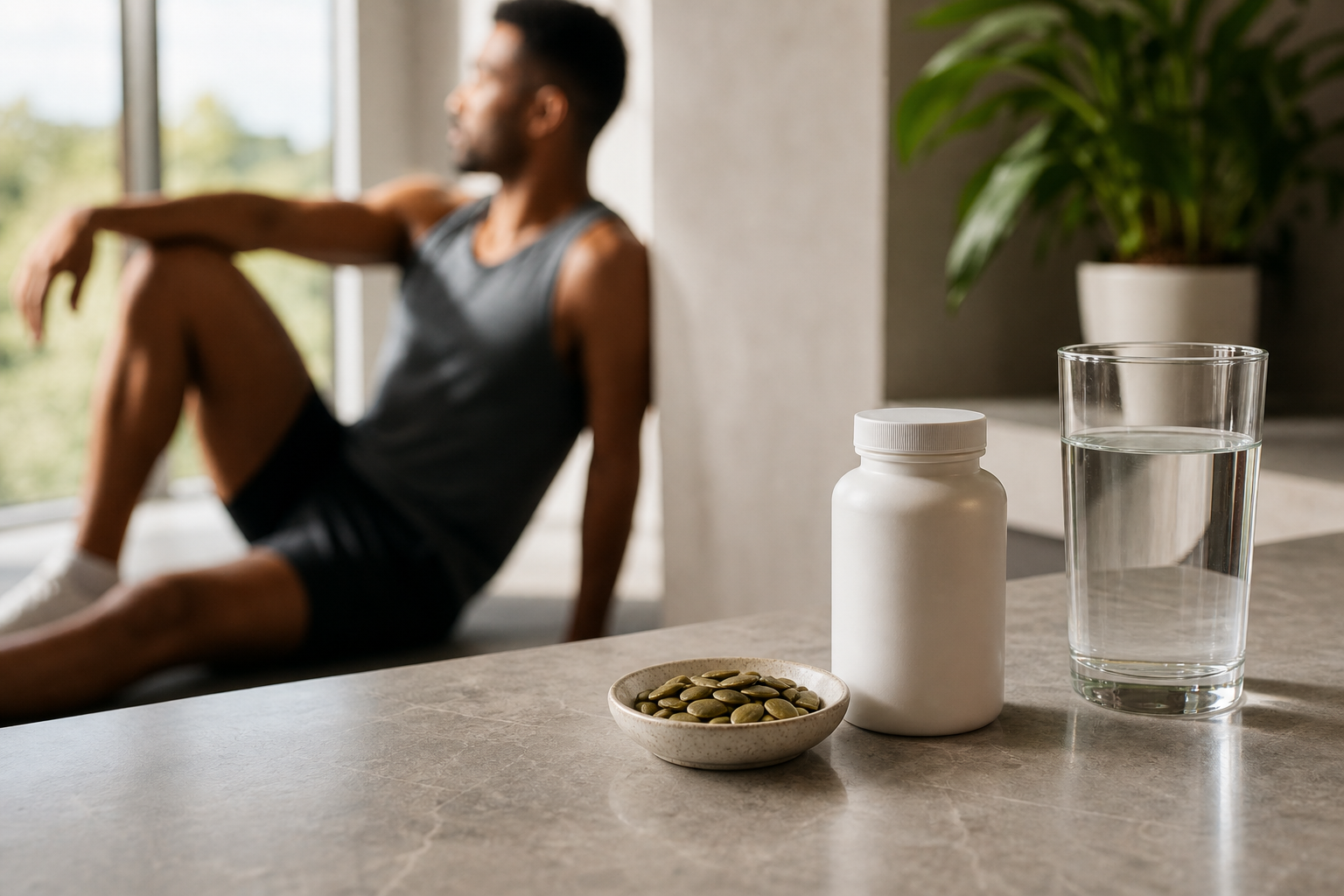
- Zinc supports immune defenses, tissue repair, and antioxidant capacity.
- Form matters: chelates like picolinate or bisglycinate tend to be well tolerated and absorbed.
- Phytate in grains and legumes can hinder zinc absorption; protein can help.
- High zinc for long periods can lower copper status—balance matters.
- Aim for prudent dosing within established limits unless otherwise directed by a professional.
Why zinc matters for immune function and recovery
Zinc is a cofactor for hundreds of enzymes and transcription factors, which makes it a quiet workhorse for immune signaling, antioxidant defenses, and tissue repair. In immune cells, zinc helps maintain the structure and function of proteins that guide cell communication and maturation, including thymic hormones involved in T‑cell development [1], [2]. It also contributes to antioxidant capacity by supporting enzymes that manage reactive oxygen species, which can help maintain a balanced inflammatory response during and after physical stress [1], [2]. In practical terms, adequate zinc status helps your body respond to daily challenges and supports normal recovery processes after workouts or minor everyday wear and tear.
Recovery is more than muscle soreness; it includes restoring barrier integrity, rebuilding proteins, and resolving oxidative stress. Zinc supports DNA and protein synthesis, collagen formation, and cell proliferation—cornerstones of tissue maintenance and normal wound healing [7]. Exercise and other forms of stress can temporarily shift zinc distribution in the body and modestly increase losses, which is one reason active people pay attention to overall zinc intake as part of their recovery routine [8]. None of this requires megadoses; it’s more about steady, adequate intake over time to help maintain these systems.
Forms of zinc: what absorbs and what’s gentle
Zinc comes in several salt and chelate forms, and while your body can use zinc from all of them, the form can influence tolerability and absorption. In a small human study comparing equal elemental doses, zinc picolinate increased zinc status markers more than citrate or gluconate over two months, suggesting higher uptake for the picolinate chelate in that context [3]. Broader reviews indicate that overall solubility and the presence of amino acid or organic acid ligands can improve bioavailability compared to some less soluble inorganic forms [10]. The differences aren’t infinite, but if you’ve struggled with stomach upset or questionable results, trying a more soluble or chelated form can be a practical adjustment.
- Chelated forms (e.g., zinc picolinate, bisglycinate): often well absorbed and gentler on the stomach [3], [10].
- Organic salts (e.g., zinc citrate, gluconate): generally good bioavailability for many users [3], [10].
- Less soluble oxides: can be harder on the stomach for some and may be less bioavailable in some settings [10].
Tolerance matters just as much as absorption. If zinc bothers your stomach, a gentler chelated form and taking it with food may help reduce queasiness. For people who prefer to get most of their zinc from food, note that animal proteins provide zinc in a relatively absorbable form, while plant foods can certainly contribute but may require a bit more planning due to phytate content [4], [10]. The right form is the one you can actually take consistently without issues and that fits your dietary pattern.
Absorption 101: food factors, timing, and real‑world choices
Zinc absorption is dynamic. Phytate (found in whole grains, legumes, nuts, and seeds) can bind zinc in the gut and reduce uptake; soaking, sprouting, fermenting, and leavening dough can lower phytate and make zinc more available [4]. Protein—especially from animal sources—tends to enhance zinc absorption, partly by providing amino acids that bind zinc into soluble complexes [4], [10]. If your diet is largely plant‑based, you can still meet zinc needs; it just helps to use traditional prep methods and include vitamin C‑rich and protein‑rich foods to support mineral uptake [4].
Supplement timing also plays a role. Taking zinc with a small meal often improves comfort, while taking it at the exact same time as high‑dose iron or calcium supplements can lead to competitive absorption in the short term [4], [10]. For many people, spacing minerals away from each other and from certain medications is a practical way to reduce competition and interactions. If you take prescription medications such as specific antibiotics or thyroid hormones, talk with your clinician or pharmacist about timing to avoid interference.
Zinc and copper: why balance matters
Zinc and copper share absorption pathways in the small intestine. When zinc intake is very high for extended periods, it can stimulate intestinal metallothionein, a protein that preferentially binds copper, reducing copper’s passage into circulation [5]. Over time, that imbalance can show up as low copper status, which is why many comprehensive formulas include modest copper alongside zinc to help maintain balance [5], [6]. The idea is not to chase extreme ratios but to avoid one‑sided intake for months on end without considering the other trace minerals.
Health authorities set an upper level for zinc to help guard against this kind of imbalance. For adults, the tolerable upper intake level (UL) is 40 mg per day from all sources, not meant to be a target but a boundary to reduce the risk of adverse effects when intake is sustained [6]. Short‑term use of higher intakes is sometimes employed under professional oversight, but as a general rule, staying within established ranges and keeping copper in view is the prudent path. If your multivitamin already includes zinc, be mindful of stacking multiple products that could cumulatively exceed reasonable daily totals.
Safety, limits, and sensible use
More is not better with trace minerals. Common early signs that you’ve overdone zinc include persistent metallic taste, nausea, or digestive upset; if those show up, reassess your total intake from diet and supplements. Because long‑term high zinc can nudge copper status down, many people prefer formulas that build balance into the design, avoiding the need to mix and match multiple single‑nutrient pills [5], [6]. Keeping intake within established ranges and avoiding product stacking are simple guardrails that support safe, steady use.
Life stage and dietary pattern matter, too. People who rarely eat meat or seafood, or who rely heavily on unsoaked/unsprouted grains and legumes, may need to be more intentional about zinc intake due to phytate’s impact on absorption [4]. Athletes and heavy sweaters may also pay extra attention because intense training can alter zinc distribution and contribute to modest losses through sweat and urine [8]. None of this changes the fundamentals: focus on a zinc‑aware diet, choose a well‑tolerated form if you supplement, and keep copper in the conversation.
Choosing a zinc supplement: a practical checklist
- Form: If you’ve had stomach sensitivity or uncertain results, consider a chelated form such as picolinate or bisglycinate, or an organic salt like citrate or gluconate [3], [10]. - Balance: Look for products that include copper in sensible proportion to zinc to help maintain status over time [5], [6]. - Fit: If you already use a multivitamin, audit the label to avoid stacking excessive zinc from multiple products. - Food first: Keep building meals around zinc‑rich choices like seafood, red meat, poultry, dairy, and prepared (soaked/sprouted/fermented) whole‑plant foods to support baseline intake [4]. - Boundaries: Stay within established intake ranges unless a professional guides otherwise [6].
Zinc isn’t a magic bullet. But by respecting the basics—absorbable forms, smart timing with meals and other minerals, and copper balance—you give your immune system and recovery processes a quiet, everyday assist. That’s often all the “boost” most people need: consistent, appropriate support grounded in how the body actually uses this mineral [1], [2], [7], [10].
FAQ
›Which zinc form is best for absorption?
Chelated forms like picolinate or bisglycinate and organic salts like citrate or gluconate are generally well absorbed. Individual tolerance varies, so the best form is the one you can take consistently without stomach upset.
›Do I need copper with zinc?
Because high, long‑term zinc can lower copper status via shared absorption pathways, many well‑designed formulas include modest copper to help maintain balance. Avoid one‑sided, high‑dose zinc for extended periods without considering copper.
›Can I take zinc on an empty stomach?
Some people tolerate zinc on an empty stomach, but many experience nausea. Taking zinc with a small meal often improves comfort and does not meaningfully impair absorption.
›I eat mostly plant‑based. Can I still meet zinc needs?
Yes. Use strategies like soaking, sprouting, fermenting, and leavening to reduce phytate, and include protein‑rich foods to support absorption. Consider a well‑tolerated supplement if diet alone is uncertain.
›How much zinc is too much?
Health authorities set a tolerable upper intake level of 40 mg/day for adults from all sources to reduce the risk of adverse effects. Treat it as a boundary, not a target, unless a professional advises otherwise.
References
- [1]Prasad AS. Zinc in human health: effect of zinc on immune cells. Mol Med. 2008;14(5-6):353-357. Source
- [2]Maares M, Haase H. Zinc and immunity: an essential interrelation. Arch Biochem Biophys. 2016;611:58-65. Source
- [3]Barrie SA, Wright JV, Pizzorno JE, et al. Comparative absorption of zinc picolinate, zinc citrate and zinc gluconate in humans. Agents Actions. 1987;21(1-2):223-228. Source
- [4]Lönnerdal B. Dietary factors influencing zinc absorption. J Nutr. 2000;130(5S Suppl):1378S–1383S. Source
- [5]Cousins RJ. Absorption, transport, and hepatic metabolism of copper and zinc: special reference to metallothionein. Physiol Rev. 1985;65(2):238-309. Source
- [6]Trumbo P, Yates AA, Schlicker S, Poos M. Dietary reference intakes for vitamin A, vitamin K, arsenic, boron, chromium, copper, iodine, iron, manganese, molybdenum, nickel, silicon, vanadium, and zinc. J Am Diet Assoc. 2001;101(3):294–301. Source
- [7]Lansdown ABG, Mirastschijski U, Stubbs N, Scanlon E, Agren MS. Zinc in wound healing: theoretical, experimental, and clinical aspects. Wound Repair Regen. 2007;15(1):2-16. Source
- [8]Lukaski HC. Vitamin and mineral status: effects on physical performance. Nutrition. 2004;20(7-8):632–644. Source
- [9]Prasad AS, Beck FWJ, Bao B, et al. Zinc supplementation decreases oxidative stress and inflammatory cytokines in the elderly. Am J Clin Nutr. 2007;85(3):837–844. Source
- [10]Hambidge KM, Miller LV, Krebs NF. Zinc bioavailability and homeostasis. Am J Clin Nutr. 2010;91(5):1478S–1483S. Source
Jordan writes about recovery, performance, and the science of feeling good. Former collegiate athlete, now obsessed with the small daily inputs that compound into long-term wellness.
Dr. Natarajan is a board-certified internist with a special interest in evidence-based supplementation and lifestyle medicine. She reviews Vitalytics content for medical accuracy.
Read next

The 5-minute briefing
One short, source-backed email each Sunday on sleep, energy, recovery, and daily wellness.